Piles — or hemorrhoids — is one of those conditions that many people quietly suffer with for months, sometimes years, before they actually do something about it. If you are reading this, you are probably at that point where the discomfort has become too consistent to ignore. Maybe you have noticed bleeding, itching, or pain around the anal area during or after bowel movements. Maybe you are not sure yet what is happening. Either way, you have come to the right place.
At Punarjith Ayurveda Hospital, piles is one of the most common conditions we help patients manage and recover from. And one of the first things we tell every patient is this — there is a great deal you can do at home to reduce your discomfort and slow the progression of the condition. Home management is not a replacement for medical care, but it is an important part of the overall healing process.
In this article, we share three effective home management approaches for piles, and we also explain clearly when home care is not enough and it is time to consult a doctor.
What Are Piles, Exactly?
Before we get into management, it helps to understand what you are dealing with. Piles are swollen, inflamed veins in and around the rectum and anus. They develop when there is increased pressure in the lower rectum — often due to chronic constipation, prolonged straining during bowel movements, a sedentary lifestyle, or a low-fibre diet.
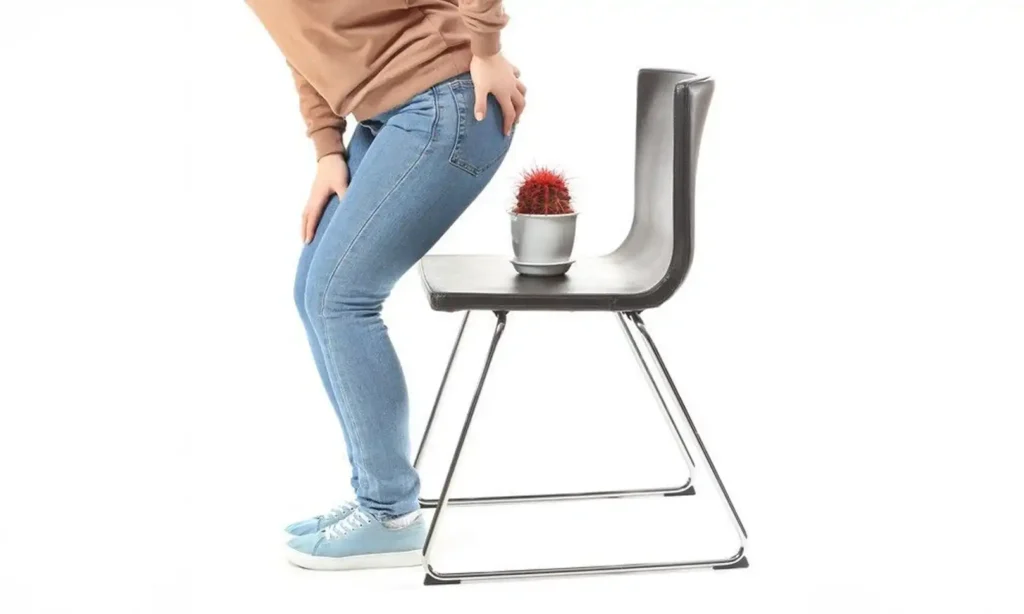
Piles can be internal (inside the rectum, where you cannot see or feel them directly) or external (under the skin around the anus, where they can be felt and may cause significant discomfort). The most common symptoms include pain or discomfort during bowel movements, itching or irritation around the anus, swelling around the anal area, and in some cases, bright red blood on toilet paper or in the toilet bowl.
The good news is that mild to moderate piles can often be managed effectively at home — particularly when you catch them early and make the right lifestyle and dietary changes.
Way 1: Change What You Eat
This is the single most impactful home change you can make for piles — and it is also the one most people underestimate. The connection between your diet and your digestive health is direct and significant.
The primary dietary goal for piles management is to soften your stools so that bowel movements happen easily, without straining. Straining is what aggravates piles most, and it is almost always driven by constipation, which is almost always driven by what you eat and drink.
Increase your fibre intake. Foods rich in fibre — vegetables, fruits, whole grains, lentils — add bulk to the stool and help it move smoothly through the digestive tract. Aim to include fibre-rich foods in every meal. Some particularly helpful options include papaya, guava, ripe banana, sweet potato, and leafy greens.
Drink more water. Fibre works best when it is accompanied by adequate water intake. Without enough water, high-fibre foods can actually make constipation worse. Drink at least 8 to 10 glasses of water throughout the day. Warm water, especially first thing in the morning, helps stimulate bowel movement naturally.
Reduce foods that irritate. Spicy foods, heavily processed foods, fried foods, and excessive caffeine or alcohol can aggravate the digestive tract and worsen piles symptoms. During an active flare-up, these are best avoided entirely.
From an Ayurvedic perspective, the quality of your digestion — what we call your Agni, or digestive fire — is at the centre of your overall health. Supporting healthy digestion through food is not just about managing piles; it is about maintaining the foundation of your wellbeing.
Way 2: Change How You Use the Toilet
This sounds simple, but toilet habits have a profound effect on piles — and many people are unknowingly making their condition worse through habits they have never questioned.
Never strain or force a bowel movement. If a bowel movement is not happening easily, do not push. Straining increases pressure in the rectal veins dramatically. If you find yourself straining regularly, it is a sign that your diet and hydration need adjustment — not more effort.
Do not sit on the toilet longer than necessary. Many people read, scroll through their phone, or simply spend far more time on the toilet than they need to. Sitting on a toilet seat for extended periods increases the downward pressure on the rectal area and contributes significantly to the development and worsening of piles. Go when you need to, and leave when you are done.
Respond to the urge when it comes. Ignoring the natural urge to pass a bowel movement — whether due to inconvenience or discomfort — is a habit that leads to harder stools and more straining later. When your body signals, respond.
Keep the area clean and dry. After each bowel movement, clean the anal area gently with plain water. Avoid harsh soaps, scented wipes, or excessive wiping, all of which can irritate sensitive tissue.
Way 3: Move Your Body
A sedentary lifestyle is one of the leading contributors to piles. Prolonged sitting — at a desk, in a car, or on a sofa — reduces circulation in the lower body and increases pressure on the rectal veins. Regular physical movement, even modest amounts, makes a real difference.
You do not need an intense workout routine. A 20 to 30 minute walk every day significantly improves bowel function, reduces constipation, and promotes healthy circulation in the pelvic region. Avoid sitting for long, uninterrupted periods — if your work involves extended sitting, get up and move for a few minutes every hour.
Avoid exercises that put heavy downward pressure on the rectal area — such as heavy weightlifting with incorrect posture — particularly during a flare-up.
When Home Care Is Not Enough — When to See a Doctor
Home management is genuinely effective for mild piles, and for many people it brings significant relief. But there are clear signs that it is time to consult a doctor rather than continue managing on your own.
See a doctor if:
You notice bleeding during or after bowel movements. While small amounts of bright red blood are common with piles, bleeding should always be evaluated by a doctor to rule out other causes.
Your pain is severe, persistent, or worsening despite home care.
You have tried dietary and lifestyle changes consistently for several weeks with no improvement.
You notice a lump or prolapse around the anal area that does not go back in on its own.
Your symptoms are significantly affecting your daily life, sleep, or ability to work.
At Punarjith Ayurveda Hospital, we provide gentle care to relieve pain and promote natural healing for piles, fissure, and fistula. Our doctors assess each patient individually and create a natural treatment plan suited to the specific nature and stage of their condition.
If your symptoms have persisted for more than a few weeks, or if you are uncertain about what you are experiencing, please do not delay. Early consultation leads to easier, faster recovery. We are here to help you heal — gently, naturally, and completely.
Book a consultation with our doctors at Punarjith Ayurveda Hospital: +91 7559 96 44 55
Frequently Asked Questions About Piles
Can piles be managed at home without surgery?
Yes. Mild to moderate piles can often be managed effectively at home through dietary changes, proper toilet habits, and regular physical activity. However, persistent or severe cases should be evaluated by a doctor.
What foods should I avoid if I have piles?
Spicy foods, fried foods, processed foods, and excess caffeine or alcohol are best avoided. These can irritate the digestive tract and worsen piles symptoms.
How long does it take for piles to heal at home?
With consistent dietary and lifestyle changes, mild piles can show improvement within 2 to 4 weeks. If symptoms persist beyond this, consult a doctor.
Is Ayurveda effective for piles treatment?
Yes. Ayurveda addresses piles by treating the root cause — improving digestion, reducing inflammation, and preventing recurrence through natural medicines and dietary guidance.
When should I see a doctor for piles?
See a doctor if you experience bleeding, severe pain, a prolapsed lump, or if symptoms do not improve after several weeks of home management.